

Probiotics are tiny live bacteria that boost health and make you feel good fast. They do more than just help digestion; they also help balance women’s hormones and fight off infections. These small microbes pack a powerful punch. Research shows probiotics improve gut health and cut the risk of getting sick by a good margin. Here’s a secret: not all probiotics act the same way, so picking the right type really counts. Think of your gut as a bustling city where probiotics work like tireless helpers keeping everything running smooth. For anyone wanting a natural way to feel stronger and more energized, understanding probiotics might change the game. Dive in to discover how these tiny creatures can seriously boost women’s health and give a fresh burst of energy.
Understanding Probiotics:
Probiotics are live microorganisms, often referred to as “good” or “friendly” bacteria, that provide various health benefits when consumed in adequate amounts. These microorganisms are naturally found in the human gut, where they contribute to maintaining a healthy balance of bacteria. However, their positive effects extend beyond the gut, influencing various aspects of overall health, including the immune system, digestion, and even hormone regulation.
Hormone Balance and Women’s Health:
Hormone balance is a delicate dance that can affect women’s well-being in numerous ways. Hormones play a vital role in regulating menstrual cycles, fertility, mood, and more. An imbalance in hormones can lead to irregular periods, mood swings, and even more severe conditions like polycystic ovary syndrome (PCOS) and endometriosis.
Research suggests that the gut microbiota and hormones are intricately connected. The gut-brain axis, a bidirectional communication system between the gut and the brain, plays a role in regulating hormone production and mood. Probiotics contribute to this axis by promoting a healthy gut environment, which in turn can help maintain hormonal balance.
Probiotics and Hormone Regulation:
Certain strains of probiotics have been studied for their potential to influence hormone levels in women. Lactobacillus and Bifidobacterium, two common probiotic genera, have shown promise in aiding hormone regulation. These probiotics may contribute to maintaining healthy levels of estrogen and progesterone, the key female sex hormones.
For example, research has shown that Lactobacillus bacteria can metabolize estrogen-like compounds, potentially preventing excessive estrogen buildup, which is linked to an increased risk of certain cancers. Additionally, healthy gut flora can help metabolize hormones efficiently, reducing the chances of hormonal imbalances.
Guardians Against Infections:
Infections targeting the urinary and reproductive tracts are a common concern for women. Urinary tract infections (UTIs) and yeast infections can cause discomfort and disrupt daily life. Here’s where probiotics step in as the body’s natural defenders.
The urogenital tract has its own unique microbiota, and maintaining a balance of beneficial bacteria is crucial for preventing infections. Probiotics, especially strains of Lactobacillus, can inhibit the growth of harmful bacteria in the urogenital area by producing substances that create an unfavorable environment for their survival. By doing so, they act as a barrier, preventing pathogens from gaining a foothold and causing infections.
Probiotics and UTIs:
UTIs are often caused by Escherichia coli (E. coli) bacteria, which can migrate from the gastrointestinal tract to the urinary tract. Probiotics can help by “crowding out” these harmful bacteria, making it harder for them to attach to the urinary tract lining. Additionally, some probiotics produce compounds that directly inhibit the growth of E. coli, providing a double layer of protection.
Probiotics and Yeast Infections:
Yeast infections, primarily caused by Candida species, can be both uncomfortable and persistent. Probiotics can aid in preventing these infections by maintaining a balanced pH level in the vaginal area and producing substances that inhibit the growth of Candida. Lactobacillus strains are particularly effective in this regard, creating an environment that is less conducive to yeast overgrowth.
Choosing the Right Probiotics:
Not all probiotics are created equal, and choosing the right strains is essential for reaping the benefits discussed. When seeking probiotics or foods, opt for those that contain specific strains such as Lactobacillus rhamnosus, Lactobacillus reuteri, and Bifidobacterium longum, which have shown potential in supporting women’s health.
Incorporating Probiotics into Your Routine:
To harness the benefits of probiotics for hormone balance and infection prevention, consider these tips:
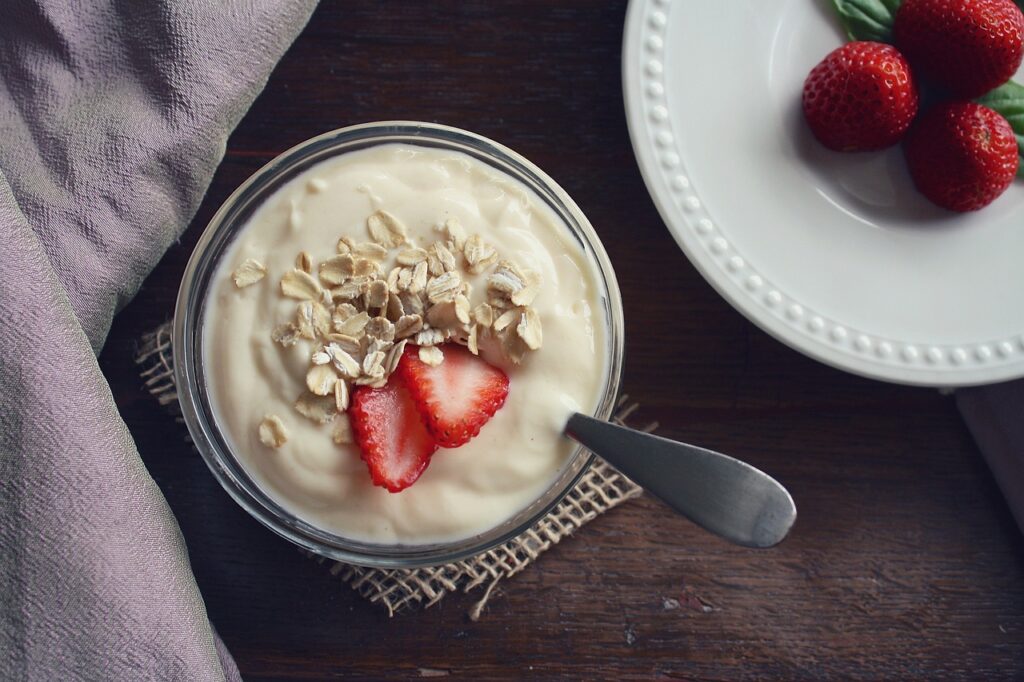
- Diet: Consume probiotic-rich foods like yogurt, kefir, sauerkraut, kimchi, and kombucha.
- Vitamins: If dietary sources are insufficient, consider high-quality probiotic with the right strains.
- Lifestyle: Maintain a healthy lifestyle with a balanced diet, regular exercise, and stress management, as these factors also influence gut health.
- Consultation: Before making significant changes to your diet or probiotics, consult a healthcare professional, especially if you have underlying health conditions.
In conclusion, probiotics offer a holistic approach to women’s health by aiding in hormone balance and preventing infections. These tiny microorganisms have far-reaching effects that extend beyond the gut, influencing various bodily systems and contributing to overall well-being. By embracing probiotics as a part of a healthy lifestyle, women can empower themselves with natural tools to support their health journey.